Which power station will run my appliances?
A station is two numbers: watts decide what you can switch on, watt-hours decide how long it stays on.
Already know the machine and want to know how long it lasts? The runtime calculator puts any of these records against the same list of loads.
How these cards are grouped, and where their figures come from
Under 500 Wh 4 machines
Phone, laptop, router, a string of lights, a CPAP for part of a night. Small enough to carry in one hand, and too small to argue with a heating element.
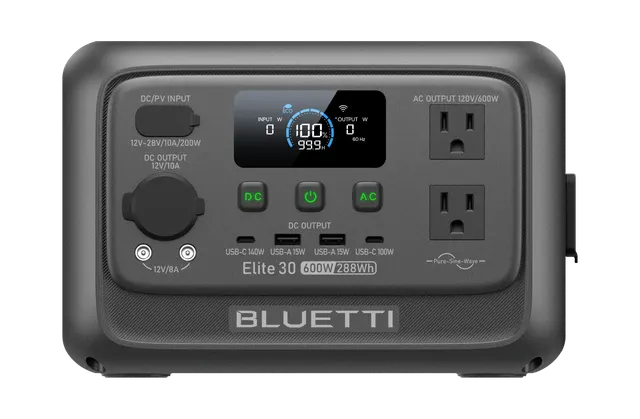
BLUETTI Elite 30 V2
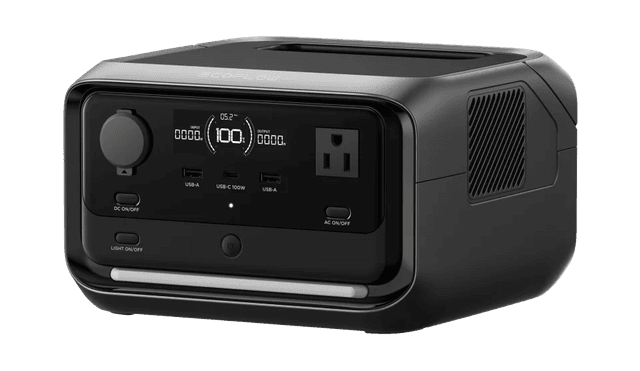
EcoFlow RIVER 3 Plus
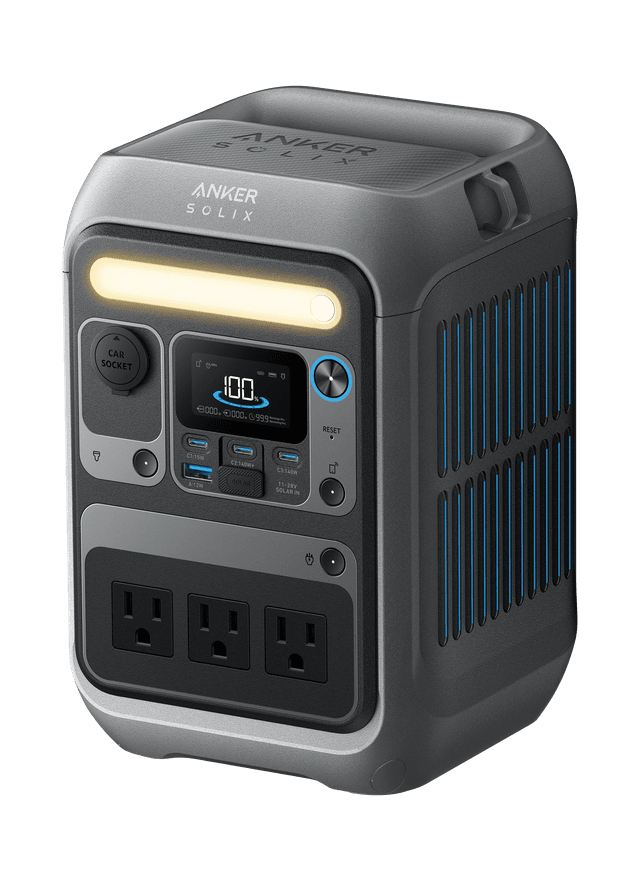
Anker SOLIX C300
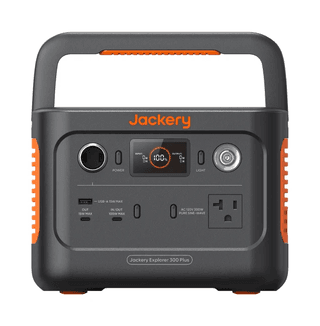
500–1,500 Wh 4 machines
The size most people are looking at when they say "power outage": a fridge overnight, the internet up, and one high-draw appliance at a time if the inverter is big enough.
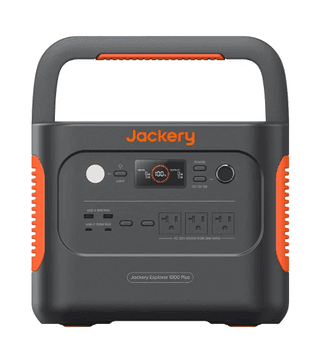
Jackery Explorer 1000 Plus
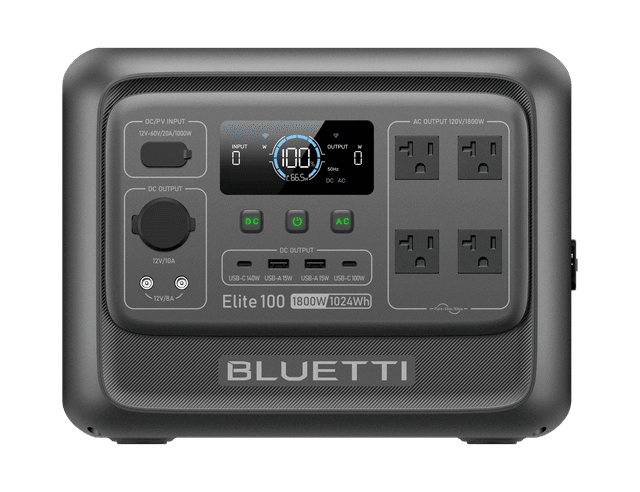
BLUETTI Elite 100 V2
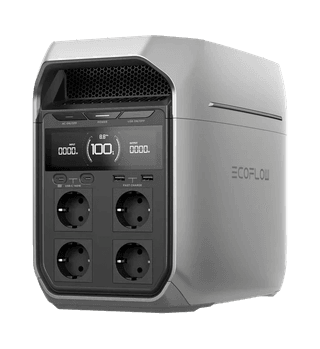
EcoFlow DELTA 3 Plus
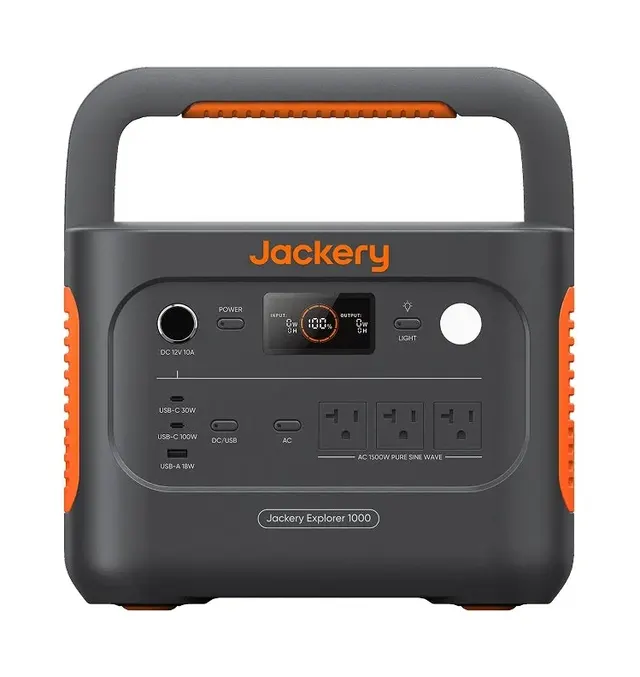
Jackery Explorer 1000 v2
1,500–2,500 Wh 4 machines
Enough energy for a day of essentials and enough inverter for a motor load — an RV air conditioner, a washing machine, a well pump — rather than only for electronics.
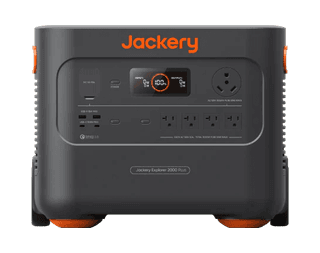
Jackery Explorer 2000 Plus
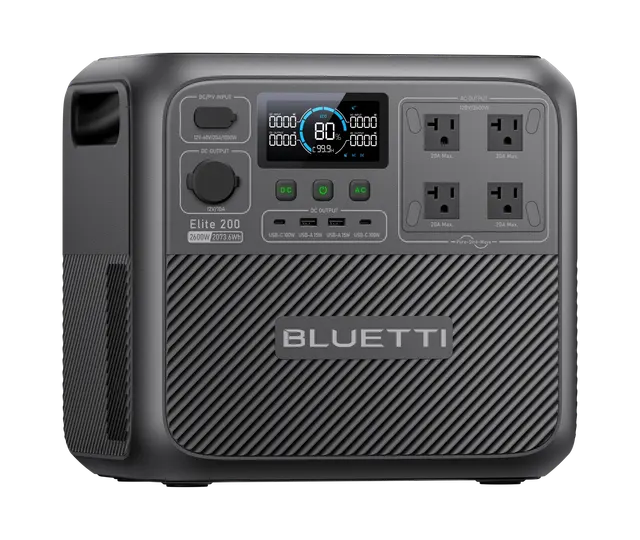
BLUETTI Elite 200 V2
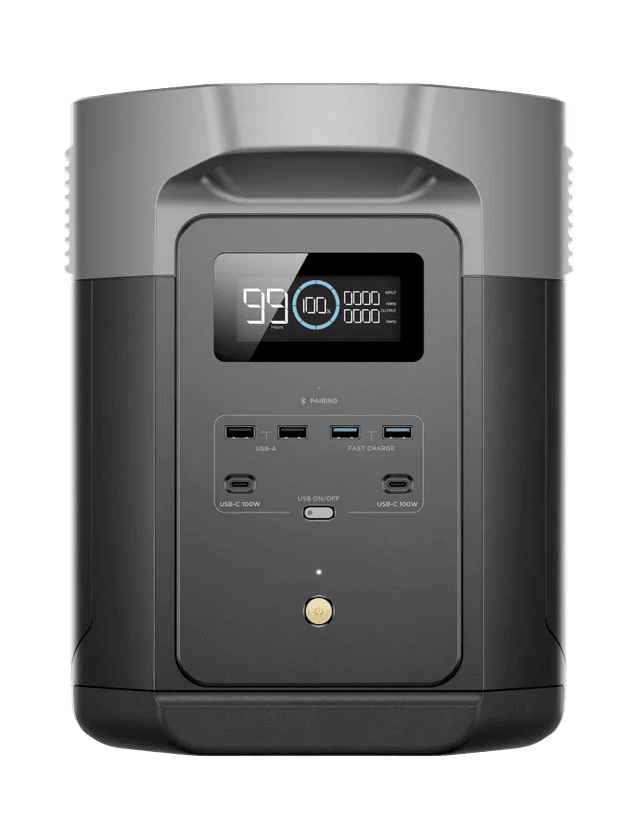
EcoFlow DELTA 2 Max
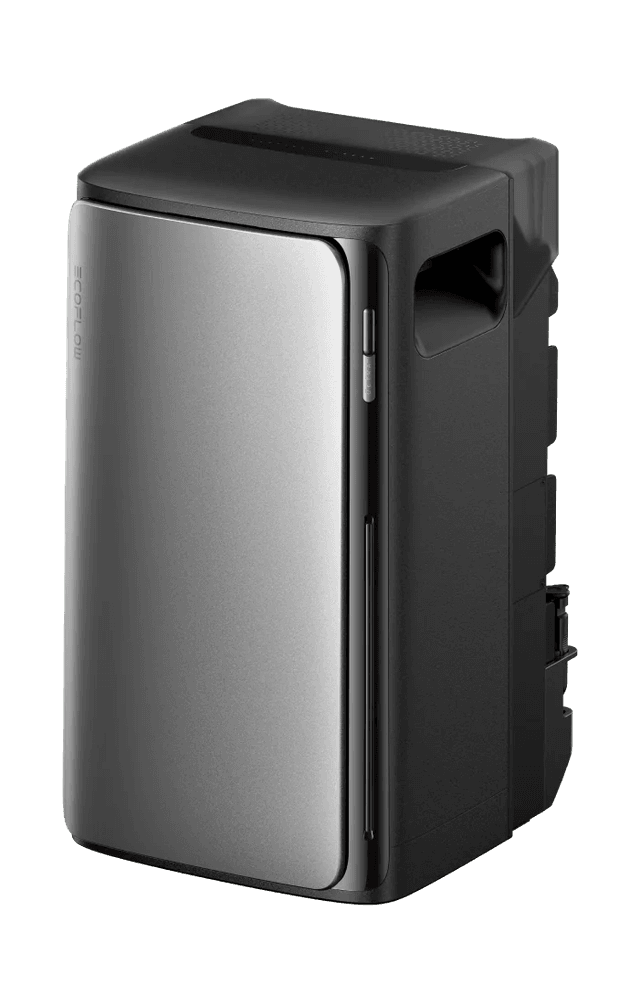
2,500 Wh and up 2 machines
Whole-circuit territory. These are heavy, they are expandable, and they are bought for multi-day outages or for a small off-grid system rather than for a trip.
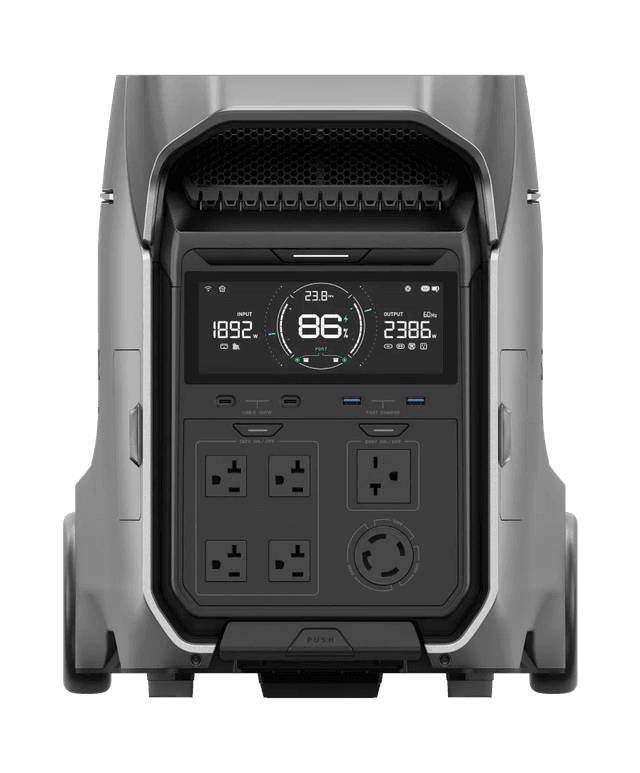
EcoFlow DELTA Pro 3
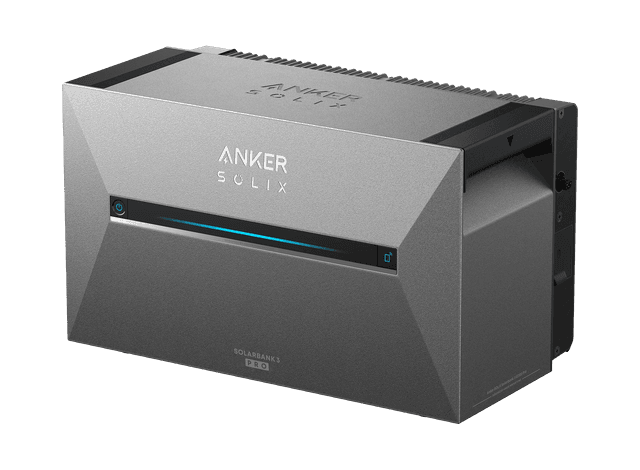
Anker SOLIX Solarbank 3 E2700 Pro