Camping · US 120 V
Best power station for a 12 V camping fridge
Ranked by a calculation, not an opinion. Gate one is a formality — a 12 V compressor fridge has no locked-rotor current at all. Gate two is the page.
Our pick
Yes, it runs it — no proven runtime see why below ↓
No proven duration for the 12 h target
We have found no duty cycle published for this set’s own load.
Derived from official coefficientsverified 2026-08-0112 US records method
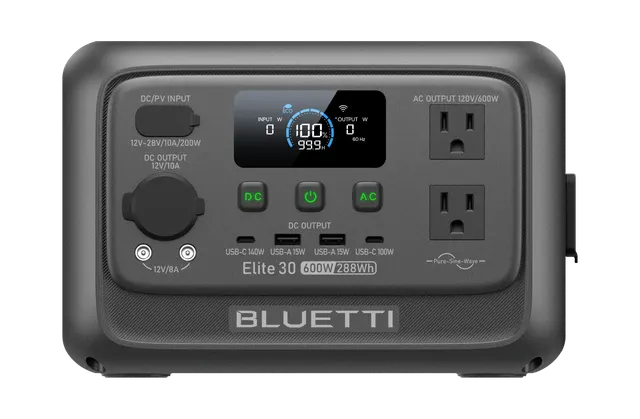
BLUETTI Elite 30 V2 — the cheapest record that clears every constraint for this set. No duration is claimed for it: this set’s own load holds a duty cycle or modulation curve that may not be multiplied, so BLUETTI’s published usable capacity has nothing proven to divide into. $239, price checked 2026-08-17.
Usable energy · Derived from official coefficients · verified 2026-08-01
This set, 12 h · no energy target stated for this set
The buy link is in the bar at the bottom of the screen — one action per page, and it goes to the merchant we last checked this price at.
Every row opens the calculator, pre-filled, each figure below sourced — re-run any number yourself.
How this list is ordered
Four gates, in this order: does it run the set, can we prove how long, can it be bought today, then price. No score and no weighting.
The four gates in full
Applied in this order to every published US record. There is no score and no weighting — each gate either separates two machines or hands them to the next one.
-
1 Does it run the set?
Every record is put through the compatibility engine against all of the loads at once — running watts against continuous output, the worst start-up instant against the surge ceiling, waveform where a load demands one. Green first, then the tight fits, then anything the engine could not read, then the machines that cannot do it. A machine that cannot start the load in front of it is not a cheaper option.
-
2 Can we prove how long?
A runtime is only printed where the brand publishes what it takes to compute one — a usable-capacity coefficient, whether stated as depth of discharge and inverter efficiency or as one combined figure — and never from the number on the box. Records that reach the target sort first, records with a proven but shorter figure next (longest first: inside that band none of them does the job, so the one that gets closest wins), and records whose duration cannot be proven at all sort last inside their verdict band. That is a statement about published data, not about the hardware, and each of those rows says so.
-
3 Can it be bought today?
A record under a verified out-of-stock policy, or one we may not sell into your state, sorts behind an equivalent one that can be bought. It stays on the list with the reason attached rather than disappearing. Whether WattPair happens to hold a purchase link for a record is not part of this gate and never moves it: a machine we cannot link to is ranked exactly as if we could, and simply carries no buy button.
-
4 Then price.
Cheapest first, inside everything above. One mains standard and one currency per page, so every comparison is like for like. A record with no verified price sorts to the back of its own band — the absence of a price is not a low price.
The loads this ranks against
Why this set, and where its figures come from
A single 12 V portable compressor fridge, on its own — a variable-speed DC compressor with no locked-rotor current at all, so unlike every other scenario on this site, the electrical check is not the interesting question here. What decides this list is entirely the second gate: which brands publish enough about their own battery to prove an actual number of hours, rather than a nameplate a reader could divide themselves.
- Running
- 90 W
- Start-up
- 180 W
- Duty cycle
- —
Official spec · verified 2026-08-01 · high confidence · start-up basis: Manufacturer-stated
- Running together
- 90 W
- Worst start-up instant
- 180 W
- Average draw
- —
- Energy for 12 h
- —
Why 12 hours
Twelve hours, to match the site’s home-backup default and because, on this set, it is the one target in this library’s realistic range that shows the full mechanism at work: one record proven to cover a full night, two more proven to fall short of it, and the rest with nothing usable on record at all. Longer targets erase the first group entirely — worth knowing, but a flatter page to read than this one.
12V portable fridge/freezer: we have found no published figure for how much of the time that load actually runs, and this library will not assume one. No energy target is stated for the set, and no runtime is computed from one. The verdicts are unaffected — they never read a duty cycle.
Derived by WattPairverified 2026-08-01appliance records method
All 12 US records, ranked
12 of the 12 US records we publish run this set, 7 publish what a runtime is computed from — though we have found no duty cycle published for this set's own load to divide against, so none is proven here — and 9 can be bought today. The percentage is the set as a share of that machine's continuous output; past 82% a verdict drops out of the green.
- 1 BLUETTI Elite 30 V2 BLUETTI · US 120 V 600 W continuous 288 Wh nameplate · Official spec · verified 2026-08-01 Runs it15%
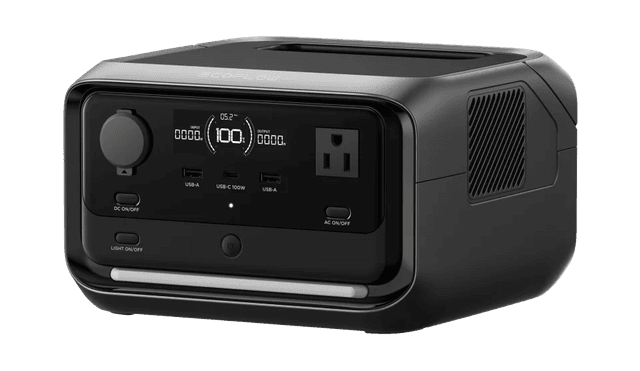
- 2 EcoFlow RIVER 3 Plus EcoFlow · US 120 V 600 W continuous · 1,200 W surge ceiling 286 Wh nameplate · Official spec · verified 2026-08-01 Runs it15%
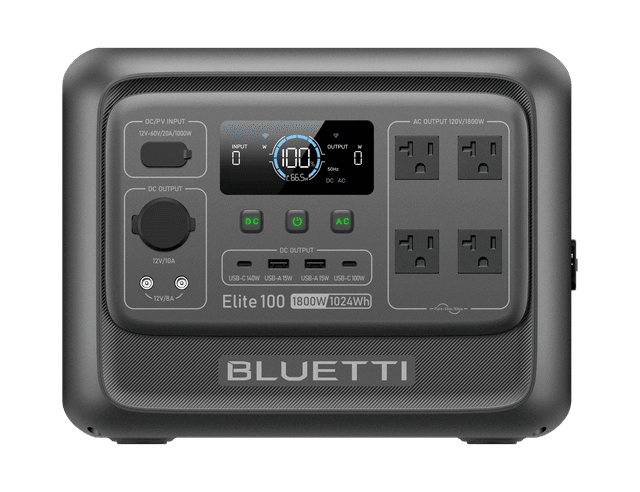
- 3 BLUETTI Elite 100 V2 BLUETTI · US 120 V 1,800 W continuous · 3,600 W surge ceiling 1,024 Wh nameplate · Official spec · verified 2026-08-01 Runs it5.0%
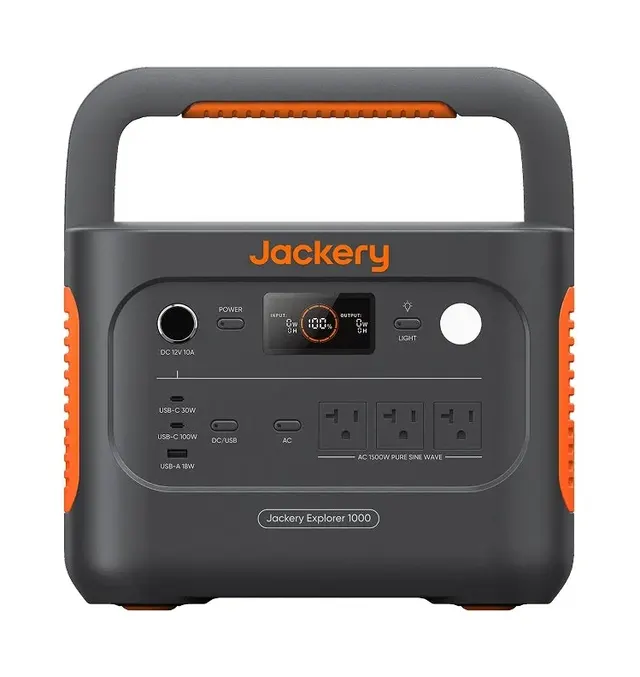
- 4 Jackery Explorer 1000 v2 Jackery · US 120 V 1,500 W continuous · 3,000 W surge ceiling 1,070 Wh nameplate · Official spec · verified 2026-08-01 Runs it6.0%
-
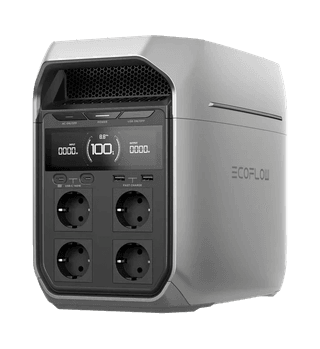
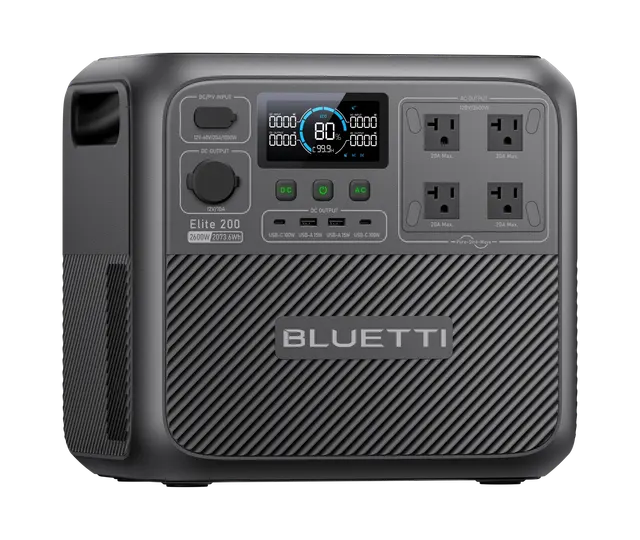
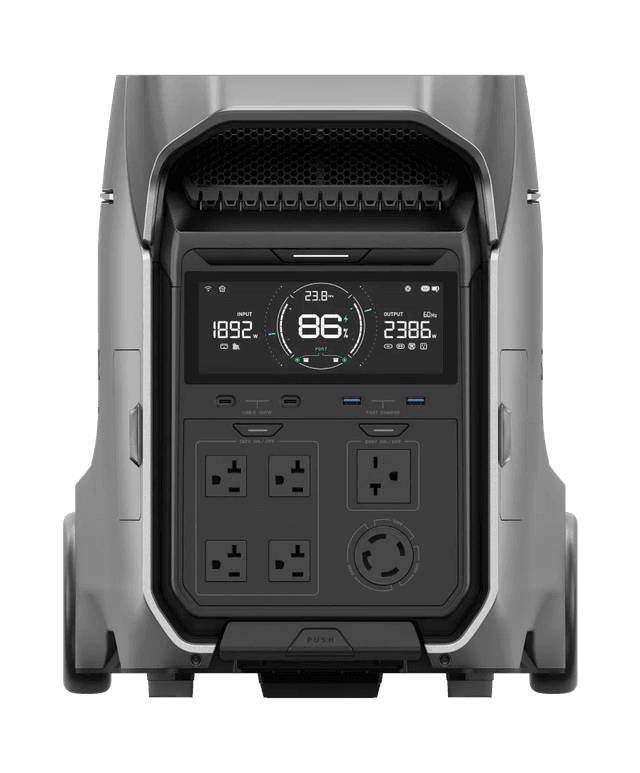
Photo shows the EU 230V version — page specs are US 120V. 5 EcoFlow DELTA 3 Plus EcoFlow · US 120 V 1,800 W continuous · 3,600 W surge ceiling 1,024 Wh nameplate · Official spec · verified 2026-08-01 Runs it5.0% - 6 BLUETTI Elite 200 V2 BLUETTI · US 120 V 2,600 W continuous 2,073.6 Wh nameplate · Official spec · verified 2026-08-01 Runs it3.5%
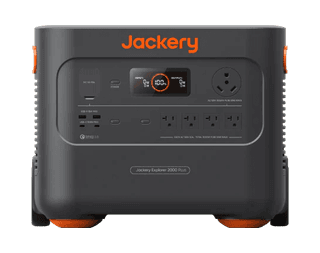
- 7 Jackery Explorer 2000 Plus Jackery · US 120 V 3,000 W continuous · 6,000 W surge ceiling 2,042.8 Wh nameplate · Official spec · verified 2026-08-01 Runs it3.0%
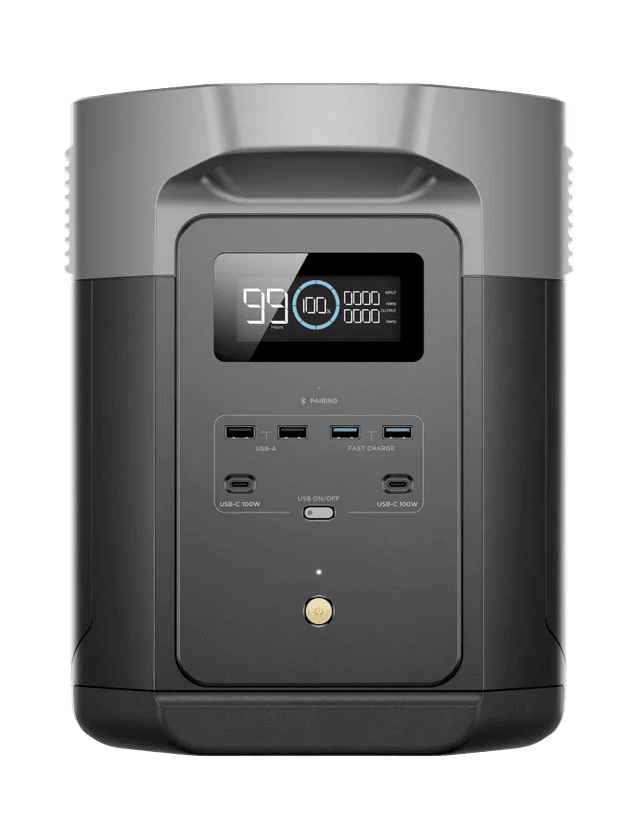
- 8 EcoFlow DELTA 2 Max EcoFlow · US 120 V 2,400 W continuous · 4,800 W surge ceiling 2,048 Wh nameplate · Official spec · verified 2026-08-01 Runs it3.8%
- 9 EcoFlow DELTA Pro 3 EcoFlow · US 120 V 4,000 W continuous · 8,000 W surge ceiling 4,096 Wh nameplate · Official spec · verified 2026-08-01 Runs it2.3%
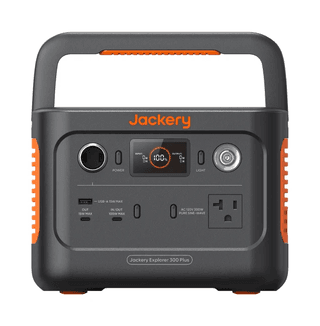
- 10 Jackery Explorer 300 Plus Jackery · US 120 V 300 W continuous · 600 W surge ceiling 288 Wh nameplate · Official spec · verified 2026-08-01 Runs it30%
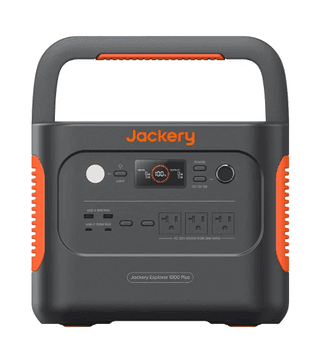
- 11 Jackery Explorer 1000 Plus Jackery · US 120 V 2,000 W continuous · 4,000 W surge ceiling 1,264.6 Wh nameplate · Official spec · verified 2026-08-01 Runs it4.5%
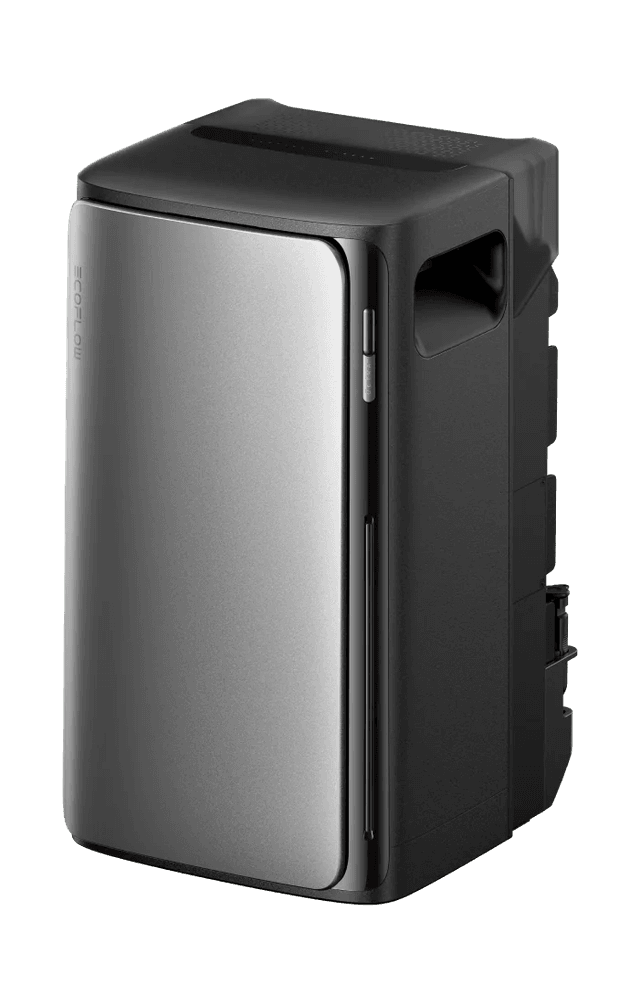
- 12 EcoFlow STREAM Ultra EcoFlow · US 120 V 800 W continuous 1,920 Wh nameplate · Official spec · verified 2026-08-01 Runs it11%
Why 12 records carry no printable runtime
12 of the 12 records here start and hold this load set and still carry no runtime this page will print — not because of anything a brand did, but because we have found no duty cycle and no modulation curve published for 12V portable fridge/freezer. There is therefore no average draw to divide any battery by, for any station here, however completely that station documents its own coefficients. Why we could not find that figure for this particular load is set out above, under the duration target. That holds regardless of disclosure quality, and this page can put a number on it: 7 of the 12 records here do publish the depth of discharge and the inverter efficiency an hour figure is computed from — the same 7 that carry proven runtimes on this site's other lists — and on this load they print nothing either. The gate sits on the load, not on anyone’s battery documentation.
This page cannot even offer the fallback bound the other pages on this site print. That bound is a nameplate divided by the set’s own average draw, and the average draw is exactly what is missing — with no duty cycle to weight it by, there is nothing to divide any capacity above by, for any row here, cheap or expensive. Every capacity in the ranked list above is still each manufacturer’s own published figure; it is the arithmetic connecting it to a number of hours that cannot be done for this load.
The scope of that finding, stated: as of 2026-08-01 the manufacturer documents behind this load were read in full for a duty cycle or a modulation curve, and none exists in them. That is a statement about this ONE load record, not about the 12 stations paired with it here — each of those is judged on its own disclosure everywhere else on this site, and none of them is being marked down for it. This is a statement about published data, not about the hardware — the verdict column judges that separately, and it comes first.
The load that changes the answer
Add a Starlink Mini to the same set and the first gate is still a formality: 12 of the 12 still clear it outright, against 12 on the set above. The reason is one instant: a Starlink Mini asks for 60 W at start-up on its own, against 180 W for everything on the list above put together. That start-up figure is this unit’s own manufacturer’s. A Starlink Mini does not cost this list a single machine, because 30 W of running draw is background noise against a fridge’s own compressor — but it is not free. Every constant watt added here shortens the hours every proven figure above is good for, which is the actual cost of a second gadget on a small power budget. The quiz carries this set as a preset.
start-up figure: Official spec · verified 2026-08-01 · medium confidence
The other rankings
Where to go next
Questions people ask about this list
Do all 12 of them really run it?
Does it really have no start-up surge at all?
Pricing, ranking and how the site is funded are not questions about this list — they are the same on every page here, and they are set out in full in the price policy and how the money works.